

Mental Health and Emotional Wellbeing for Women
Mental health is an essential, though often overlooked, pillar of overall wellbeing. For women, mental health is shaped by a unique combination of biological, social, and cultural factors—hormonal fluctuations across the life cycle, societal expectations around caregiving and appearance, and disproportionate rates of certain mental health conditions. Understanding these dynamics is the first step toward better emotional wellbeing.
Why Women’s Mental Health Deserves Distinct Attention
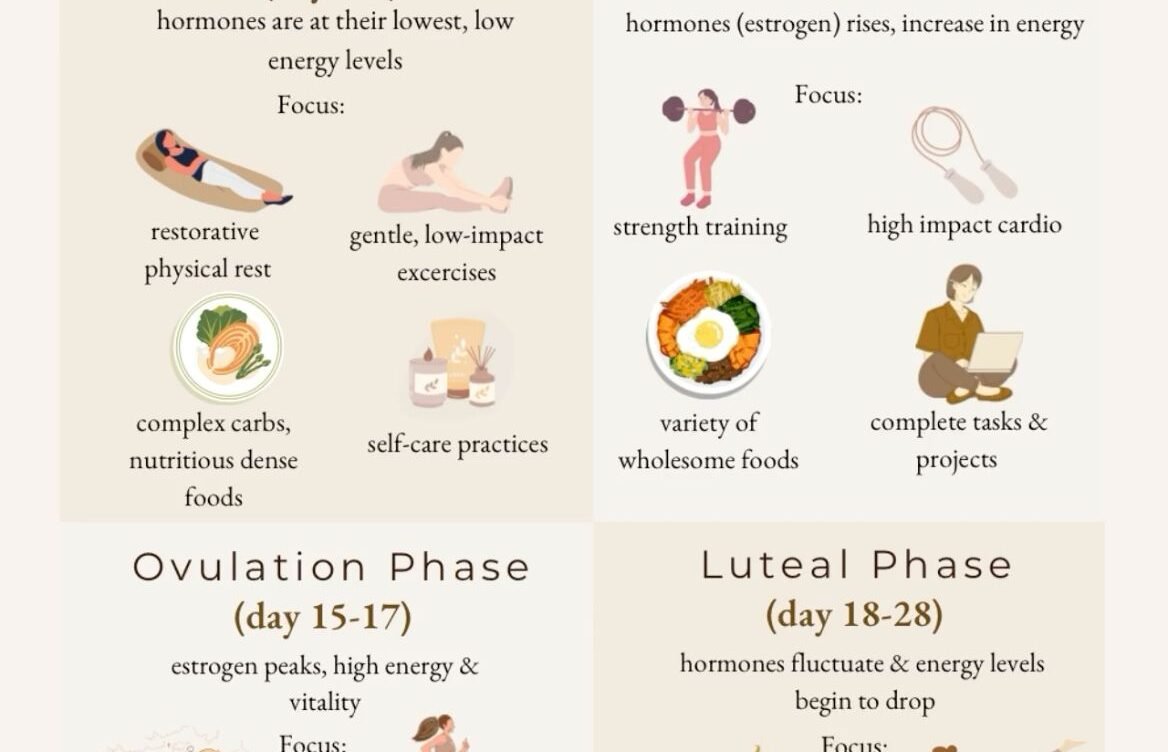
Research consistently shows that women experience certain mental health conditions—such as depression, anxiety disorders, and eating disorders—at higher rates than men. Hormonal fluctuations related to menstruation, pregnancy, postpartum recovery, and menopause can all influence mood and emotional regulation in ways that are unique to women’s physiology. At the same time, social factors such as the “second shift” of balancing career and caregiving responsibilities, experiences of gender-based discrimination or violence, and cultural pressures around body image contribute additional layers of stress that affect mental health.
Recognizing these distinct pressures isn’t about suggesting women are inherently more vulnerable—it’s about acknowledging that effective mental healthcare must account for the specific circumstances shaping each person’s experience.
Common Mental Health Challenges Across Life Stages
Adolescence and Young Adulthood. The teenage and young adult years often bring the first significant mental health challenges, including anxiety, depression, and disordered eating patterns. Body image concerns, social pressures, and identity formation all play significant roles during this period.
Reproductive Years. Premenstrual dysphoric disorder (PMDD), prenatal and postpartum depression, and the general stress of balancing career, relationships, and potentially caregiving responsibilities characterize much of this life stage. Infertility struggles and pregnancy loss also carry significant emotional weight that deserves compassionate acknowledgment.
Perimenopause and Menopause. Hormonal shifts during this transition can bring mood swings, increased anxiety, sleep disturbances, and, for some, new or worsening depression. These symptoms are often under-recognized or dismissed, leaving many women without adequate support during a significant life transition.
Later Life. Older women may face mental health challenges related to loneliness, loss of loved ones, chronic illness, and life transitions such as retirement. Depression in older adults is sometimes overlooked, mistakenly attributed to “just getting older” rather than recognized as a treatable condition.
Recognizing the Signs
Mental health struggles don’t always look like sadness. They can manifest as persistent fatigue, irritability, changes in appetite or sleep, difficulty concentrating, withdrawal from relationships and activities once enjoyed, or physical symptoms like headaches and digestive issues that don’t have a clear medical cause. Because these signs can be subtle or easily attributed to “just being busy” or “just stress,” many women delay seeking support—sometimes for years.
Learning to recognize these patterns in oneself, and taking them seriously rather than dismissing them, is a crucial step toward better mental health.
Building a Foundation for Emotional Wellbeing
Prioritize sleep. Sleep and mental health are deeply interconnected. Chronic sleep deprivation worsens mood regulation, increases anxiety, and impairs the ability to cope with daily stressors. Establishing consistent sleep routines is one of the most effective, and most underrated, tools for emotional stability.
Move your body regularly. Physical activity has a well-documented positive effect on mood, reducing symptoms of anxiety and depression through both physiological mechanisms and the simple benefit of dedicated time away from stressors. This doesn’t need to mean intense exercise—regular walks, dancing, or gentle yoga all count.
Nurture social connections. Strong social support is one of the most protective factors for mental health. Making time for meaningful relationships—not just transactional interactions—provides emotional resilience during difficult periods.
Set boundaries. Many women are socialized to prioritize others’ needs above their own, which can lead to chronic overextension and burnout. Learning to set boundaries around time, energy, and emotional labor isn’t selfish; it’s a fundamental component of sustainable mental health.
Practice self-compassion. Internalized perfectionism and harsh self-criticism disproportionately affect women, often reinforced by cultural messaging around appearance, productivity, and caregiving. Actively practicing self-compassion—treating oneself with the same kindness one would offer a friend—can meaningfully shift long-standing patterns of negative self-talk.
When to Seek Professional Support
While self-care strategies are valuable, they aren’t a substitute for professional support when mental health challenges become persistent or significantly impact daily functioning. Therapy, counseling, and, when appropriate, medication can be highly effective tools for managing conditions like depression, anxiety, and PMDD. Unfortunately, stigma around seeking mental health support remains a significant barrier for many women, particularly in cultures where emotional struggles are expected to be hidden or managed privately.
Reaching out for help is not a sign of weakness or failure—it’s a proactive step toward better health, just as one would see a doctor for a physical ailment. Primary care physicians, gynecologists, and mental health professionals can all serve as starting points for women unsure where to begin.
The Role of Community and Culture
Mental health doesn’t exist in a vacuum—it’s shaped by community, culture, and social structures. Workplaces that support flexible schedules and mental health days, families that foster open conversation about emotional struggles, and communities that reduce stigma around therapy and mental healthcare all contribute to better outcomes for women’s mental health at a broader level.
Peer support groups, whether for new mothers, women navigating menopause, or those dealing with specific mental health conditions, can also provide invaluable connection and validation—the reassurance that comes from realizing one isn’t alone in a particular struggle.
Moving Forward
Women’s mental health deserves the same attention, resources, and destigmatization as physical health. By understanding the unique factors that shape emotional wellbeing across different life stages, recognizing the signs of struggle, building sustainable self-care practices, and seeking professional support when needed, women can move toward not just the absence of mental illness, but genuine emotional flourishing. Mental health is not a luxury or an afterthought—it is foundational to living a full, engaged, and meaningful life.